
Artificial Intelligence
-
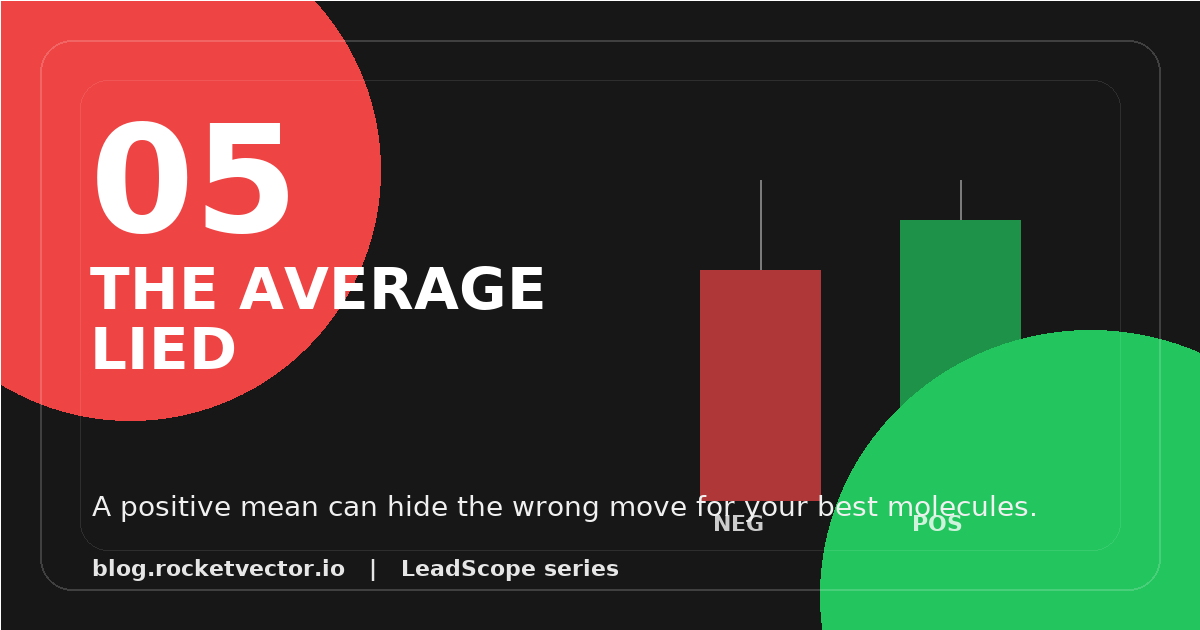
A mean effect can hide who should and should not receive an edit. That fail-closed boundary is part of the product, not a footnote.
-

A hospital switches on a sepsis alert and mortality moves. That does not mean the alert caused the change. The hard part is separating who gets flagged from what the flag changes.
-
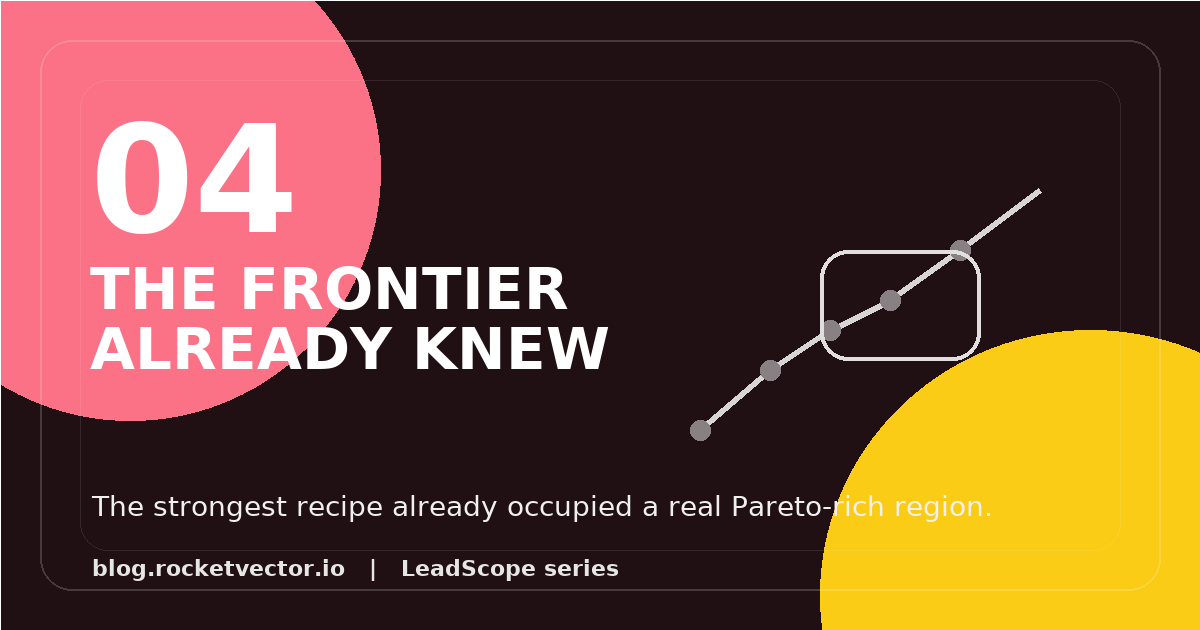
A recommendation gets stronger when it shows up as a populated region of chemistry, not a lone theoretical win. That happened in one of our lorazepam-centered internal workflows.
-

In one of our internal lorazepam-centered workflows, the most useful result was not one magic winner. It was a coordinated direction of change that improved safety without breaking the rest of the objective bundle.
-

Prediction can describe where a molecule sits. Causal reasoning helps decide which lever is worth trying next, what it may improve, and when the evidence is too weak to act.
-

A clean A/B test is already a causal design. The trouble starts when someone conditions on post-treatment behavior, slices the experiment the wrong way, or forgets what randomization actually bought them.
-
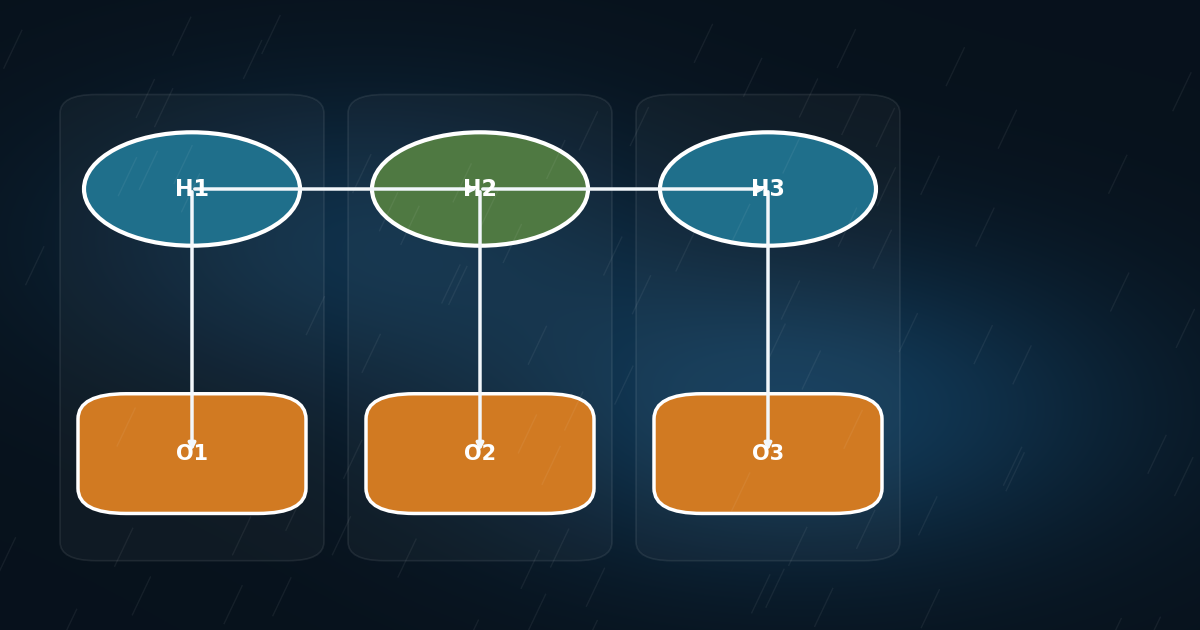
Once you unroll time, an HMM is just an ordinary Bayesian network with repeated structure. That makes temporal reasoning much less mysterious and much more programmable.
-

Counterfactuals are where causal APIs stop describing populations and start answering the harder question: what would have happened for this exact case?
-

If observing X and setting X collapse to the same operation in your tooling, confounding has already beaten you.
-

A treatment can look worse in the aggregate and better in every subgroup. That is not a corner case. It is the reason your query surface needs association, adjustment, and intervention.